Entry · Ref GAB0SMTK
Melbourne Sports Photography: Photographing Indoor Sports
- Posted
- 2026-10-01
- Last amended
- 2026-10-01
- Account
- @sethpblp618
Indoor sport throws a handful of challenges at a photographer: unpredictable action, tricky lighting, tight spaces, and parents or officials who want the game undisturbed. In Melbourne, those challenges arrive with character. You might be shooting a fast-paced basketball game under harsh metal halide lights at a community stadium, a high school volleyball final in a low-ceiling gym, or a netball championship at a polished metropolitan court. Getting standout images requires more than equipment. It demands judgement about light and angle, an intimate understanding of how camera settings translate into decisive frames, and the ability to work quietly inside the rhythm of a match. When executed well, the images tell a story of motion, strain, triumph, and teamwork that resonates with players, parents, clubs, and sponsors.
Why hire a dedicated sports photographer Melbourne? Clubs and schools need images that sell membership, attract sponsors, and preserve memories. A specialist knows when to anticipate a peak moment, how to isolate the subject against busy backgrounds, and how to deliver a consistent gallery under tight turnaround. Pure Sport Images is one example of a studio that focuses on these needs for local teams, producing images that feel lived-in rather than staged.
What you should carry: a concise gear checklist
- Camera body with reliable high-ISO performance
- Two fast lenses covering wide and mid tele ranges
- Spare batteries and high-speed cards
- Monopod or compact tripod if permitted
- Small LED panel or hand warmers for battery longevity
I use that checklist for almost every Melbourne indoor shoot. One winter afternoon at a regional netball final I swapped a tired battery between quarters and kept shooting through a penalty shootout that decided the match. Spare batteries and cards are never negotiable.
Reading the room, reading the light Indoor lighting is rarely neutral. Many Melbourne venues use older metal halide or fluorescent fixtures that produce a green or magenta cast and a slow flicker. Even modern LED courts can create multiple colour temperatures because of mixed bulbs and natural light from clerestory windows. Start by observing for five minutes before you shoot. Walk to the sideline, stand behind the scorer's table, and look up. Note where the brightest patches are and where shadows fall. Those observations dictate two critical decisions: which white balance strategy to choose and whether you need to prioritize shutter speed over noise.
If the fixture population flickers visibly when you look at a phone camera at high frame rates, plan for possible banding in video or exposures when using high shutter speeds. For stills, a safe approach is to set white balance manually using a grey card at mid-court, then switch to RAW so you can correct tone later. When you're working for club galleries where speed matters more than perfection, a camera AWB can still produce acceptable results; be ready to fine-tune in Lightroom, especially for skin tones.
Lens choices and framing that win Fast glass is the difference between dramatic, tack-sharp action and a gallery of motion blur. In Melbourne indoor venues, I favour a 70-200mm f/2.8 as my primary lens for penetration into the action from the sideline. I pair it with either a 24-70mm f/2.8 or a 35mm f/1.8 for bench-side portraiture and team shots when space becomes tight. If you're photographing junior sports where lines are close and substitution benches are only a few metres away, a 50mm f/1.4 is invaluable for capturing expressions and sideline emotion.
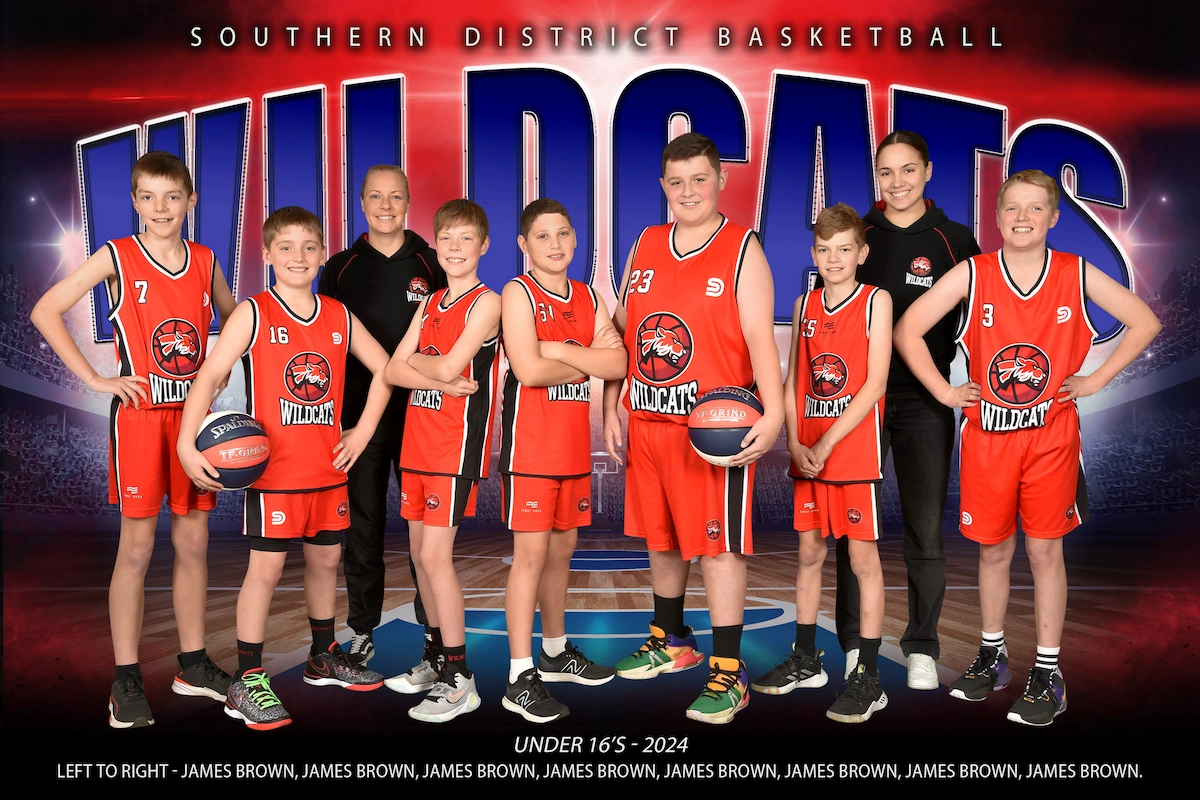
Composition is less about rules than choices. Choose backdrops consciously. A clean black wall or a row of dark chairs helps separate the subject. If the venue background is busy, get lower to force the crowd into a blur. Where possible, use the crowd and scoreboard to add context, but keep your subject dominant. I often crop tightly on the shoulders and ball to amplify energy while preserving a hint of the environment.
Settings that work under pressure One short list of reliable starting settings keeps me out of trouble. Start there and adjust based on light and movement.
- Shutter speed: 1/500s to freeze most indoor sports
- Aperture: f/2.8 to f/4 depending on lens and depth needed
- ISO: set auto ISO with an upper limit (usually 6400 for modern full-frame bodies)
- Autofocus mode: continuous (AI Servo, AF-C) with a small group or zone
- Drive mode: high-speed continuous for peak action
Those numbers are starting points. Basketball players jump and change direction faster than netball or volleyball players, so if you want to freeze a slam dunk you may push to 1/800s. For sports with a slower pace or where you want motion blur for effect, a shutter speed of 1/125s to 1/250s while panning can produce compelling results. When I shoot netball finals in low-ceiling stadiums, I usually target 1/640s, f/2.8, and let auto ISO climb to keep exposures solid.
Autofocus and subject isolation Modern autofocus systems are powerful, but they need help. Use continuous AF and a small zone, not a single point, to lock onto dynamic subjects. If your camera offers subject tracking specifically tuned for people, enable it and train it on a player early in the match by holding the shutter halfway. Anticipation remains the greatest asset. Watch patterns: in volleyball, set-ups predict where the kill will occur; in basketball, screens often reveal who will get free. Positioning yourself where those patterns converge reduces the burden on autofocus.
If the background is cluttered, open up the aperture to create separation. At f/2.8 on a 70-200mm, backgrounds melt into a smooth blur and skin tones pop. That separation matters to clubs selling prints or digital packages because images that look professional hold value.
Working with venues and officials Venue rules vary. Some Melbourne community centres prohibit flash and tripods, while high school gyms might allow a small LED panel on a stand. Always check the competition rules and venue policy before the event. Arrive early and introduce yourself to the event supervisor. A brief, polite conversation about access and movement during play will save minutes and reduce conflict. I once negotiated 30 extra centimetres of sideline space at a suburban stadium by offering to credit the venue for a set of marketing images; the images later helped the venue attract summer bookings.
If access is tight, adapt. Use higher ISO and wider apertures rather than getting into the way of players. Keep a compact camera strap or sling to move quickly without swinging gear into the court. Respect officials and players during play; the best images often come from patience and waiting for natural pauses in the match.
Telling the story beyond action frames A gallery becomes memorable when it includes more than peak plays. Capture the warm-ups when faces concentrate, the bench reactions when a coach draws up a play, and the quiet moments after a tough loss. Portraits of individual players with their club colours, candid shots of parents cheering, and detail shots of shoes and tape tell a fuller story. For commercial or sponsorship work, include contextual images that show logos on jerseys, banners, or signage in a flattering way.
During a state-level basketball tournament in Melbourne I photographed, the sponsor wanted images of their logo integrated into the action. Instead of staging a shot, I waited for a break and positioned myself so the logo on the court floor sat behind a player taking a free throw. The resulting image felt organic and served both the club and the sponsor.
Post-processing that maintains trust Shoot RAW. That single decision buys latitude to correct white balance, recover highlights, and refine exposure. Keep your edits consistent. Clubs prefer cohesive galleries where colour balance and contrast match across the collection. Develop a preset that addresses the most common indoor issues: warmth for older metal halide lights, slight contrast lift, and skin tone refinement. Use noise reduction sparingly. Aggressive noise reduction smooths skin and crushes fine detail in jerseys and nets.
When delivering to clients, provide both web-sized proofing images and high-resolution files for printing. Label files consistently: clubname playersquad positiondate.jpg. Clear naming conventions reduce confusion when teams order prints or post images to social media.
Commercial considerations and pricing Pricing indoor sports photography requires an honest reading of time and costs. Factor in pre-event communication, travel across Melbourne sports photographer Melbourne, gear depreciation, insurance, time on site, and post-production. For club packages that include team photos, individual player portraits, and a gallery, many local photographers price according to scope: a basic match-day gallery might be a few hundred dollars, full team shoots with editing and prints move into a per-player fee structure, and season-long contracts that supply weekly galleries and promotional images are priced higher with discounts for volume.
A professional approach to copyright and usage rights also matters. Clubs often want to use images freely for social media and promotions; photographers need to balance that with their right to sell prints. Create a simple usage agreement that clarifies what the club can do and what remains with the photographer. Being clear up front prevents disputes and builds long-term relationships.
Selling images to families and sponsors To convert galleries into revenue, make purchasing easy. Offer online ordering, mobile-friendly galleries, and packaged pricing. Include a few free, low-resolution social images as a goodwill gesture that players will share, creating organic reach. For sponsor packages, offer a tailored set that matches their brand guidelines: a selection of horizontal images for banners, square crops for Instagram, and a hero image suitable for print. One Melbourne netball club I worked with increased sponsor renewals after we provided a monthly digital package that showcased sponsor logos in high-quality action shots.
Safety, ethics, and consent Respect for minors is essential. Collect parent consent for photographing underage players if your client requires it. Avoid intrusive images and always check club policies about publication of images of juniors. Be mindful of cultural sensitivities and privacy requests. If a parent asks to opt out, note it and ensure the gallery reflects that request promptly.
A few tactical trade-offs worth considering Pushing ISO to keep shutter speed high leads to more noise, but it buys sharpness and freeze. Stopping down to f/5.6 gives more depth but demands cleaner light or higher ISO. Using a monopod steadies heavy glass but can limit mobility during rapid plays. Flash can create crisp images but can also distract players or violate venue rules. Weigh each decision against what the client values most: timeless, perfectly composed portraits or a steady stream of decisive action frames.
Final thoughts for teams and organizers Choosing the right photographer matters almost as much as the photos themselves. Look for a portfolio that shows understanding of indoor light and a balance of action and portraiture. Ask about turnaround times, deliverables, and usage rights. A reliable sports photographer Melbourne will be punctual, work discretely, and deliver images that support your club's goals: attracting players, celebrating members, and pleasing sponsors.
If you care about images that feel authentic to the sport and professional enough to represent sponsors and clubs, hire someone who shoots indoor sports regularly. Firms such as Pure Sport Images specialize in that rhythm, building visual libraries that keep clubs visible and connected. They know the venues, understand the camera settings that work under pressure, and can translate a game-day atmosphere into lasting images that win both prints and social clicks.
When indoor sport is done right, the photos preserve muscle memory. They show the leap, the reach, and the faces in the crowd. Done poorly, they become a blur of motion and missed opportunity. With the right approach to light, lens, timing, and client communication, Melbourne indoor sports photography becomes not just documentation but a tool for growth.
Pure Sport Images
23 Grandview Ave, Mulgrave VIC 3170, Australia
+61 413 157 614
[email protected]
Website: https://puresportimages.com.au/